Bubble Arcade: A Bold Display Font for Playful Designs
If you've spent any time scrolling through design inspiration on Pinterest or Behance, you've likely noticed a resurgence of retro aesthetics. There's a genuine warmth and nostalgia in pixel art and vintage arcade graphics that modern, sleek designs sometimes lack. This is where a typeface like Bubble Arcade finds its sweet spot. It isn't just another display font; it's a direct nod to the 8-bit and 16-bit eras, capturing the bold, blocky, and energetic spirit of classic video games. Its thick, rounded forms are designed to command attention, making it a powerful tool for specific creative projects.
Understanding the Visual Personality of Bubble Arcade
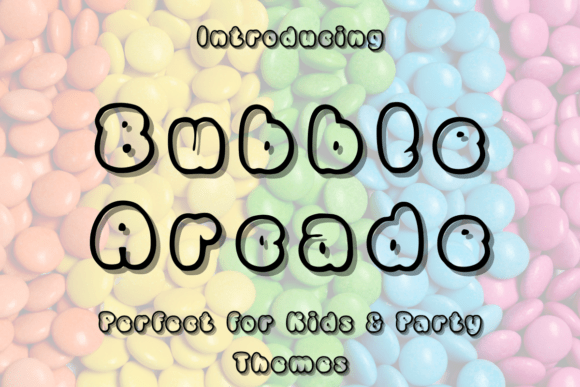
At its core, Bubble Arcade is a bold retro display font. Its visual characteristics are defined by high-contrast, pixel-influenced letterforms with soft, bubble-like curves. This combination gives it a unique personality: it's playful and childlike, yet structured and impactful. The font avoids the rough, jagged edges of pure pixel fonts, opting instead for smoother outlines that maintain excellent legibility even at smaller sizes. This makes it more versatile than a strictly technical pixel font, bridging the gap between nostalgic charm and contemporary design needs.
The appeal of this creative font lies in its ability to instantly set a tone. Using Bubble Arcade in a project communicates fun, energy, and a sense of lighthearted adventure. It’s a typeface that doesn't take itself too seriously, which can be a tremendous asset when your goal is to engage an audience emotionally rather than with corporate formality. Think of it as the visual equivalent of an upbeat chiptune soundtrack—immediately recognizable and mood-lifting.
Where This Retro Typeface Truly Shines
Knowing where to deploy a font like Bubble Arcade is half the battle. Its strengths are not universal, but in the right context, it's irreplaceable. This is a premium font designed for projects where personality trumps corporate austerity.
- Branding & Packaging: It’s a fantastic choice for children’s product lines, toy packaging, candy brands, or any business aiming for a fun, approachable brand identity. A coffee shop with a retro-gaming theme could use it for their logo and menu boards to create a cohesive and memorable experience.
- Events & Invitations: Birthday parties, especially those with a gaming or arcade theme, are a perfect application. Bubble Arcade makes invitations feel exciting and thematic before the guest even reads the details. It works beautifully for school event posters, fun run flyers, and community fair graphics.
- Digital & Social Media: For social media graphics, thumbnails, and channel branding, this font helps content stand out in a crowded feed. It’s ideal for YouTube channels focused on retro gaming, family vlogs, or creative tutorials. Its bold nature ensures text remains readable even on small mobile screens.
- Publishing & Editorial: While not suited for body text, it can be a striking choice for chapter headings in children’s books, magazine feature titles, or blog post headers on niche websites. It adds a burst of energy to editorial design without overwhelming the reader.
- Apparel & Merchandise: T-shirt designs, stickers, and posters for bands, brands, or fan communities can leverage Bubble Arcade’s distinctive style. Its compatibility with design software and cutting machines like Cricut makes it a practical design asset for crafters and small business owners creating merchandise.
Making the Most of Bubble Arcade in Your Projects
Simply choosing a fun font isn’t enough; implementation is key. As a display font, Bubble Arcade should be used strategically for headlines, logos, and short bursts of text. Its role is to grab attention and set the mood, not to deliver long paragraphs of information. For body copy, pairing it with a clean, simple sans serif font or a highly legible serif font creates a balanced and professional font pairing. A neutral sans serif like Open Sans or Lato can provide a calm counterpoint to Bubble Arcade’s energy, ensuring your overall design remains readable and structured.
When evaluating if it’s the right fit, consider your project’s core message. Does your brand or event aim to evoke nostalgia, fun, and accessibility? If yes, Bubble Arcade is a strong contender. If the project requires a tone of serious professionalism, luxury, or minimalist sophistication, you would be better served by a different typeface, perhaps a geometric sans serif or an elegant script font.
From a technical standpoint, this font includes a standard glyph set, making it fully compatible with major design platforms like Adobe Photoshop, Illustrator, and even DIY tools like Cricut Design Space. This broad compatibility is crucial for maintaining consistency across different media, from a logo design in a vector file to a social media graphic created in a web app. Always test the font at the intended size and on the target background to ensure the pixel-inspired details don’t blur or become muddy, especially in web design where rendering can vary.
A Practical Note on Licensing and Professional Use
For designers, entrepreneurs, and marketers, understanding the licensing of any commercial font is non-negotiable. Bubble Arcade, as a premium typeface, comes with a license that typically covers a wide range of uses—from digital packaging design and websites to printed materials and merchandise. However, it’s always your responsibility to review the specific end-user license agreement (EULA) provided by the foundry or distributor. This ensures your use is compliant, whether you’re creating a one-off party invitation or incorporating it into a client’s global branding campaign. Investing in properly licensed fonts protects you legally and supports the type designers who create these valuable assets.
In the landscape of modern typography, Bubble Arcade occupies a specific and valuable niche. It’s not trying to be a workhorse for every situation. Instead, it excels as a specialist tool for injecting personality, nostalgia, and a bold visual punch into designs that dare to be playful. Used thoughtfully, it can transform a standard project into one that feels vibrant, engaging, and unmistakably memorable.