Pixelove: A Retro Heart Shape Typeface for Creative Projects
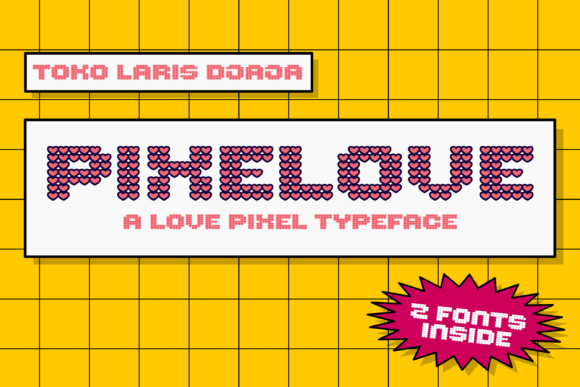
When you stumble upon a font that feels like a warm memory wrapped in pixels, you know you've found something special. Pixelove is exactly that—a display font where every letterform is constructed from heart-shaped pixel grids. It comes in two versatile styles: a clean outline and a solid fill, giving you flexibility depending on the mood and medium of your project. Inspired by the visual language of retro computing and classic arcade aesthetics, Pixelove delivers a lovely, nostalgic vibe while weaving in a subtle sense of affection and charm. It's a typeface that doesn't just spell out words; it evokes a feeling.
Where Pixelove Truly Shines
This isn't a font for body text or corporate reports. Its strength lies in its personality, making it a perfect fit for projects that need a distinctive, retro, and heartfelt touch. Think about the places where you want to capture attention and convey a specific mood. For packaging design, especially for artisanal goods, vintage-inspired products, or anything with a handmade ethos, Pixelove can make a label pop with character. On a book cover for a nostalgic romance or a retro-themed graphic novel, it sets the tone instantly. In logo design for a boutique bakery, a retro gaming cafe, or a creative studio, it offers an unforgettable mark that feels both fun and thoughtful.
Beyond print, its applications are just as compelling. In digital design, Pixelove works wonderfully for social media graphics, website headers, and game UI elements—think title screens, button labels, or achievement badges that need that pixel-perfect charm. For merchandise like t-shirts, tote bags, and stickers, the font's built-in visual interest means a simple typographic layout becomes a standout design. It's a fantastic creative font for crafters working on scrapbooking, party invitations, or DIY signage, where its playful aesthetic can really come to life.
Practical Considerations for Using a Display Font
Choosing a specialty font like Pixelove requires a bit of strategic thinking. Its primary role is for headlines, logos, and short bursts of impactful text. Using it for long paragraphs would compromise readability, which is why pairing it with a more neutral sans serif font or a simple serif font is crucial. A clean, modern typeface for your body copy will create a balanced visual hierarchy, allowing Pixelove to command attention where it matters most without overwhelming the viewer.
Before committing to it for a brand identity, test it thoroughly. Does its retro vibe align with your brand's core message and audience? A vintage-style craft beer label? Perfect. A cutting-edge tech startup? Probably not the best fit. Evaluate the two included styles—the outline version can feel lighter and more graphic, while the fill version has a stronger, bolder presence. Consider the context: will it be used on a busy background? Will it need to be small? Pixelove's grid-based structure holds up well at various sizes, but always preview it in your actual design mockups.
As a premium font, it's also important to understand the licensing. Ensure the license covers your intended use, whether for a single client project, merchandise for sale, or a digital product. This is a standard part of working with professional design assets and protects both you and the font's creator. The investment in a quality, licensed typeface like Pixelove pays off in the professionalism and originality it brings to your work, setting it apart from overused, free alternatives.
Font Pairing and Integration
The key to using Pixelove effectively is contrast. Pair it with a script font for an extra touch of whimsy on a wedding invitation, or ground it with a geometric sans serif for a retro-modern poster. For editorial design, it could make a killer chapter title in a magazine spread about nostalgic pop culture. In web design, use it sparingly for a hero section call-to-action or a special announcement banner to draw the eye without slowing down the page. Its pixel art roots give it a unique texture that can add depth and interest to flat design layouts, making it a versatile tool in any designer's kit for projects that dare to be different and delightfully retro.